FurtherAI Available in Microsoft Marketplace
Introducing Connectors



The Third Era of Insurance Has Arrived, and It's Agentic

Insurance has moved through three distinct eras, and the difference comes down to who does the work.
In the first era, documentation was processed by hand. In the second, systems of record arrived: the data had somewhere to live, but people still entered it, moved it between systems, and made every decision on top of it.
We're now in the third era. Systems still store the data, but AI agents do the work, and humans apply judgment on top of that. That's what we mean by agentic insurance: workflows performed by AI and moderated by humans.
"We are in a 3.0 era where the system stores the data, the AI agents actually do the work, and then humans do the judgment on top of that. It's a lot about outsourcing work to agents, but the judgment remains with humans. That is what we are defining as agentic insurance, where workflows are performed by AI but moderated by humans." – Aman Gour, CEO and Co-founder of FurtherAI
What agentic insurance actually means
For decades, software in insurance has been a place to put information. An underwriter keyed in the details, clicked through the screens, and carried the decision, while the software waited.
Agentic workflows invert that. The agent reads the submission, pulls the data, runs the checks, and prepares the decision. The underwriter or claims handler reviews the output, applies experience the model can't replicate, and signs off. People spend their time on judgment calls, not data entry.
This matters most where insurance work is repetitive but consequential. Submission intake, claims processing, and policy audits share one pattern: gather information, structure it, check it against rules, and route it to the right person. Agents handle that reliably, and they don't tire on the hundredth file of the day.
General-purpose tools like ChatGPT and Claude are good at ad hoc work, but agentic insurance means something more specific:
"When we think about agentic insurance, we think about end-to-end workflows which are purpose-built for a use case. These workflows involve processing documents. They involve reasoning on top of this data. It involves integration with internal systems to fetch additional context. And it involves the human in the loop at the right point in the process." – Aman Gour, CEO and Co-founder of FurtherAI
That model is already running in production. FurtherAI works with three of the top 10 brokers, five of the top 20, along with carriers and other Fortune 500 insurers.
How to start: one workflow, then compound
FurtherAI's Agentic Workspace was built for this era. You don't need to rebuild your operation to use it: start with one workflow (submission intake, claims processing, or policy audit) and expand from there.
Value compounds as you go. Once an agent handles intake, it already understands your submission formats, data sources, and the systems it writes back to. Each new workflow builds on those integrations, so the next is faster to stand up. That's why this beats buying a series of point solutions.
Hear it directly from our CEO
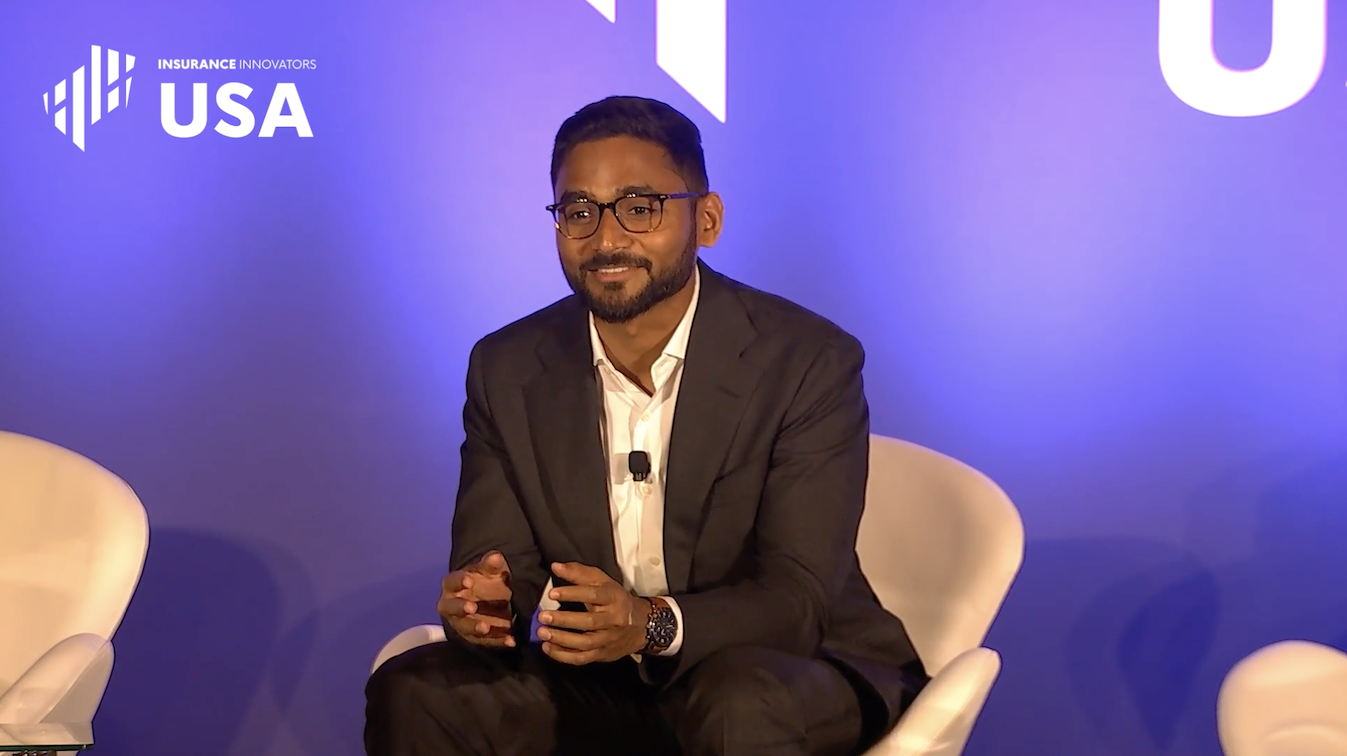
Aman Gour sat down with Insurance Innovators to walk through what agentic insurance looks like in practice and where the industry is heading. It's a grounded conversation about the shift underway, the workflows changing first, and what teams should expect as agents take on more of the operational load.
Watch the full interview below:
DISCLAIMER
This article is for general informational purposes only and does not constitute legal, regulatory, compliance, underwriting, or other professional advice. The content reflects information available as of the date of publication, and FurtherAI undertakes no obligation to update it as laws, regulations, or AI technologies evolve.
Recent posts
%20(2).png)
Ready to go further and
transform your insurance ops?
Reclaim your time for strategic work and let our AI Assistant handle the busywork. Schedule a demo to see how you can achieve more, faster.




.svg)