FurtherAI Available in Microsoft Marketplace
Introducing Connectors



Upland Specialty Proved FurtherAI in Production, Then Cut Clearance Time by 30 to 40%

.png)
Upland Specialty sends every submission for roughly a dozen lines of business through one centralized clearance desk. The desk runs on a thick rulebook that blends if-then logic with judgment, the kind of process most teams assume is too nuanced to hand to software. A year after going live with FurtherAI, Upland has cut clearance time by roughly 30 to 40%.
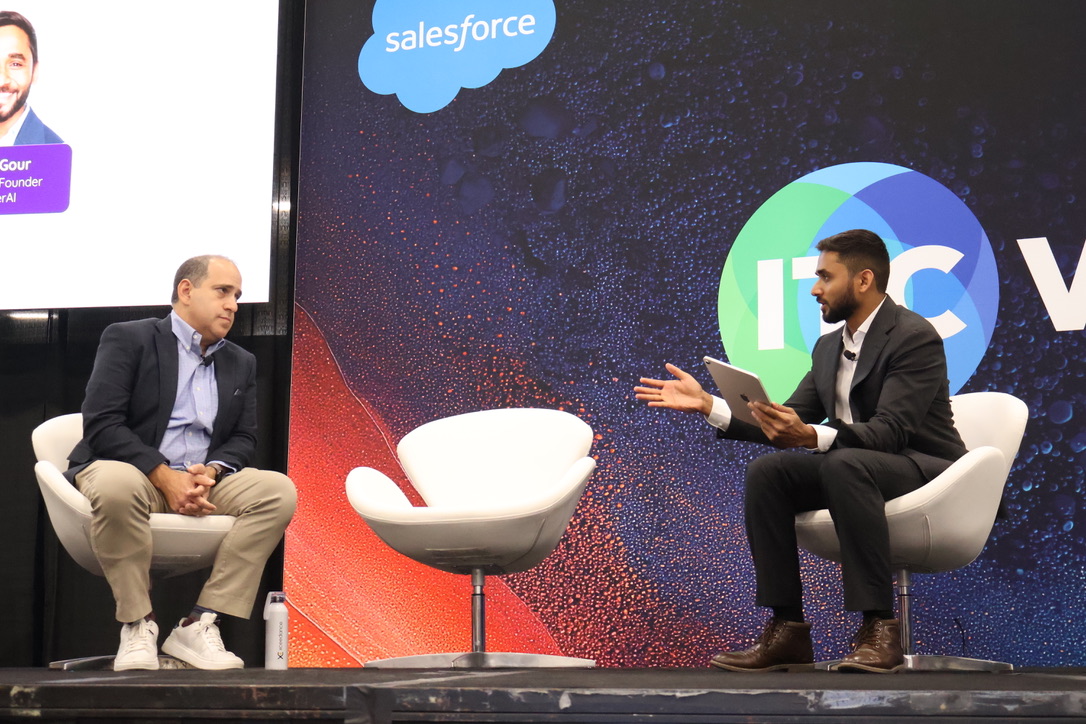
Our co-founder and CEO Aman Gour sat down with Doug Alexander, CTO of Upland Specialty, to talk through how the team got there and how quickly the results came.
"We've improved our clearance time by roughly 30 to 40%, and we saw those benefits within weeks as we rolled this thing out." — Doug Alexander, CTO of Upland Specialty
Upland proved it in production before turning it on
Doug's first requirement was transparency. In his experience, a result without a visible source loses the team's confidence the first time someone clicks in and finds an error. Upland needed to see where every extracted field came from, and it needed the results to hold up against its own team's work.
We worked with Upland to define the fields it needed, starting from FurtherAI's standard definitions and adjusting a few to match. FurtherAI then wrote its extractions to a hidden field in production while the clearance team kept working by hand. Upland compared the two, reviewed a large sample manually, and turned FurtherAI on once agreement cleared 85%.
The rulebook was where Doug's expectations shifted. Upland handed us the same document it uses to train its clearance team.
"We gave it to FurtherAI and they did it within days. I thought, that can't be right. And they absolutely had."
That moment changed how Upland approached the rest of the project. Some fields Doug expected to be easy turned out harder because they called for subjective judgment, and the team adjusted its plan to match what FurtherAI could do.
One clearance desk meant one rollout
Upland's original plan was to bring FurtherAI online one line of business at a time. Once the team saw the results, it realized the centralized desk made that unnecessary. Every submission already flowed through the same clearance process with standardized data, so Upland turned FurtherAI on for every line at once.
"We went a lot faster than we thought we were going to," Doug said.
Upland tracks clearance time across several sub-processes, and the gains vary between them. Some improved significantly and others more modestly, but every line of business now benefits from the same faster intake.
The business case came down to partnership and speed
When Aman asked what made the difference, Doug named two things: partnership and speed. We took Upland's feedback, proved out each change, and came back with sharper questions until the results held up. That cycle gave Doug something concrete to bring to his leadership team.
"I could sit with our CFO and CEO and say: here's the problem we're solving, here are the concrete numbers, here's what the win looks like, here's our path to get there, and here's the risk."
Upland exceeded that expectation within weeks. That's the standard we hold ourselves to as a partner: a clear problem, numbers leadership can trust, and results that show up fast.
Watch the full conversation
There's more in the conversation than we can fit here, including how Upland set its accuracy threshold and what Doug learned about automating judgment-heavy work. Watch the full video above to hear it from Doug directly.
Thank you to Doug and the Upland Specialty team for the partnership.
Recent posts
.png)
Ready to go further and
transform your insurance ops?
Reclaim your time for strategic work and let our AI Assistant handle the busywork. Schedule a demo to see how you can achieve more, faster.




.svg)